 English▼



- Отправить по электронной почте : David@tmaxcn.com
- Отправить по электронной почте : Davidtmaxcn@gmail.com
- : No. 39, Xinchang Road, Xinyang, Haicang Dist., Xiamen, Fujian, China (Mainland)
блог
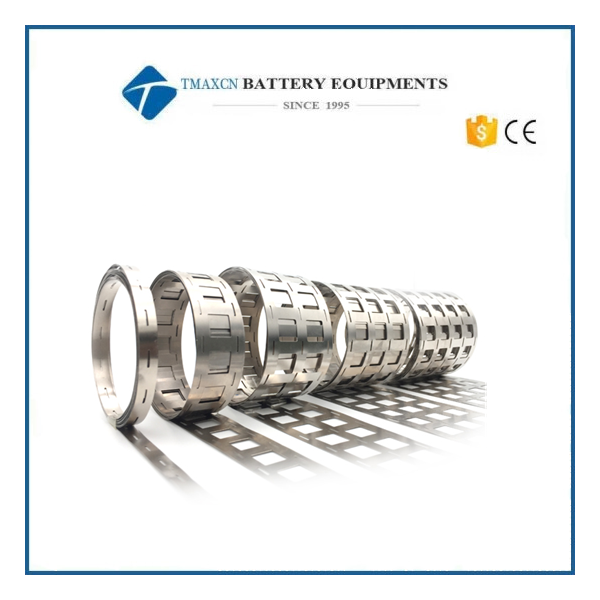
Nickel Strip for Battery
January 9,2026.
Xiamen Tmax Battery Equipments Limited was set up as a manufacturer in 1995, dealing with lithium battery equipments, technology, etc. We have total manufacturing facilities of around 200000 square foot and more than 230 staff. Owning a group of experie-nced engineers and staffs, we can bring you not only reliable products and technology, but also excellent services and real value you will expect and enjoy.
A nickel strip is a thin, flat piece of nickel metal that plays a vital role in the construction and performance of batteries, particularly in lithiumion (Liion) and nickelbased batteries. Due to its excellent electrical conductivity, corrosion resistance, and mechanical properties, nickel strips are widely used as current collectors, interconnects, and terminals in battery systems.
In this article, we will explore the properties, applications, advantages, challenges, and innovations associated with nickel strips in batteries.
●Properties of Nickel Strips
1. Electrical Conductivity
Nickel has moderate electrical conductivity, making it suitable for transferring current between cells in a battery pack.
2. Corrosion Resistance
Nickel exhibits excellent resistance to oxidation and corrosion, ensuring longterm stability in harsh environments.
3. Mechanical Strength
Nickel strips are strong and durable, capable of withstanding the stresses of repeated chargedischarge cycles.
4. Weldability
Nickel can be easily welded to other metals like aluminum and copper, facilitating secure connections within battery packs.
5. Thermal Stability
Nickel maintains its properties at elevated temperatures, preventing degradation during hightemperature operations.
●Role of Nickel Strips in Batteries
Nickel strips serve several critical functions in battery design:
1. Current Collectors
In Liion batteries, nickel strips act as conductive pathways to collect and distribute current from individual cells to the external circuit.
2. Interconnects
Nickel strips connect multiple cells in series or parallel to form a battery pack, ensuring efficient energy transfer.
3. Terminals
Nickel strips are often used as positive terminals in nickelbased batteries (e.g., NiMH and NiCd) due to their compatibility with these chemistries.
4. Tab Materials
Thin nickel tabs extend from the electrodes inside the battery cell, providing a connection point for external circuits.
●Advantages of Using Nickel Strips in Batteries
1. High Reliability
Nickel strips ensure stable and consistent performance over the battery's lifespan.
2. CostEffectiveness
Compared to other materials like gold or silver, nickel is relatively inexpensive while still offering superior performance.
3. Compatibility
Nickel works well with various battery chemistries, including lithiumion, nickelmetal hydride (NiMH), and nickelcadmium (NiCd).
4. Lightweight
Nickel strips contribute minimal weight to the overall battery system, improving energy density.
5. Sustainability
Nickel is recyclable, reducing environmental impact and promoting sustainable practices.
●Challenges in Using Nickel Strips
1. Resistance to High Currents
While nickel has good conductivity, it is not as conductive as copper or aluminum, which may limit its use in highpower applications.
2. Oxidation Issues
Although nickel resists corrosion, surface oxidation can occur under certain conditions, potentially affecting performance.
3. Material Fatigue
Repeated bending or stress on nickel strips can lead to fatigue and failure over time.
4. Cost Fluctuations
The price of nickel can be volatile due to market conditions, impacting production costs.
●Innovations in Nickel Strip Technology
To address these challenges and enhance performance, manufacturers are developing advanced nickel strip solutions:
1. Coated Nickel Strips
Applying protective coatings (e.g., tin or nickelphosphorus alloys) improves corrosion resistance and reduces oxidation.
2. Alloyed Nickel
Combining nickel with other metals enhances specific properties, such as conductivity or mechanical strength.
3. ThinFilm Nickel
Producing ultrathin nickel strips reduces weight and improves energy density in battery designs.
4. Improved Welding Techniques
Advanced welding methods ensure stronger and more reliable connections between nickel strips and other components.
5. Recycled Nickel
Using recycled nickel reduces costs and promotes sustainability in battery manufacturing.
Nickel strips are widely used across various battery types and industries:
1. LithiumIon Batteries
Used as current collectors and interconnects in electric vehicles (EVs), consumer electronics, and energy storage systems.
2. NickelMetal Hydride (NiMH) Batteries
Employed as positive terminals and interconnects in hybrid vehicles and portable devices.
3. NickelCadmium (NiCd) Batteries
Utilized in industrial applications, power tools, and medical equipment.
4. Solar Energy Systems
Nickel strips connect solar panels to battery storage systems for renewable energy applications.
5. Medical Devices
Used in implantable devices and portable diagnostic equipment where reliability and biocompatibility are crucial.
●The Future of Nickel Strips in Battery Technology
As battery technology continues to evolve, the role of nickel strips will expand to meet the demands of nextgeneration energy storage systems. Key trends shaping the future include:
1. Increased Efficiency
Development of higherconductivity nickel alloys to improve energy transfer in highpower applications.
2. Focus on Sustainability
Greater emphasis on using recycled nickel to reduce environmental impact.
3. Integration with Emerging Technologies
Combining nickel strips with advanced materials like graphene or carbon nanotubes for enhanced performance.
4. Customizable Solutions
Tailored designs and coatings to optimize nickel strips for specific battery chemistries and applications.
5. Global Standards Compliance
Ensuring compatibility with evolving international regulations for battery materials.
●Conclusion
Nickel strips are an essential component in modern battery systems, providing reliable and efficient connections for energy transfer. Their unique combination of electrical conductivity, corrosion resistance, and mechanical strength makes them indispensable in a wide range of applications.
What excites you most about the role of nickel strips in advancing battery technology? Share your thoughts below! Together, let’s explore how this critical material can shape the future of energy storage and sustainability.
 +86 13174506016
 David@tmaxcn.com

